
-
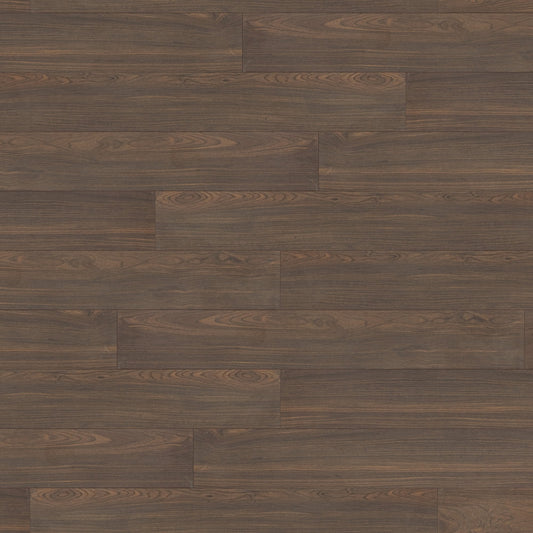
Dark Walnut - Eurohome Vario+ 12mm Laminate Flooring
Your price: Regular price £14.99 per m²Your price: Sale price £14.99 per m²Regular price£14.99 per m²£22.19 per packUnit price perDark Walnut - Eurohome Vario+ 12mm Laminate Flooring Dark Walnut - Eurohome Vario+ 12mm Laminate Flooring
Dartmoor Oak - Eurohome Vario+ 12mm Laminate Flooring
Dark Walnut - Eurohome Vario+ 12mm Laminate Flooring
Dartmoor Oak - Eurohome Vario+ 12mm Laminate Flooring Dartmoor Oak - Eurohome Vario+ 12mm Laminate Flooring
Grizzly Montreux Oak - Eurohome Vario+ 12mm Laminate Flooring
Dartmoor Oak - Eurohome Vario+ 12mm Laminate Flooring
Grizzly Montreux Oak - Eurohome Vario+ 12mm Laminate Flooring Grizzly Montreux Oak - Eurohome Vario+ 12mm Laminate Flooring
Rockford Oak - Eurohome Vario+ 12mm Laminate Flooring
Grizzly Montreux Oak - Eurohome Vario+ 12mm Laminate Flooring
Rockford Oak - Eurohome Vario+ 12mm Laminate Flooring Rockford Oak - Eurohome Vario+ 12mm Laminate Flooring
Sand Sola Oak - Eurohome Vario+ 12mm Laminate Flooring
Rockford Oak - Eurohome Vario+ 12mm Laminate Flooring
Sand Sola Oak - Eurohome Vario+ 12mm Laminate Flooring Sand Sola Oak - Eurohome Vario+ 12mm Laminate Flooring
+3 More Colours
Sand Sola Oak - Eurohome Vario+ 12mm Laminate Flooring
+3 More Colours -
 4.9/5 ★★★★★ Customer Rating
 In-Home DeliveryHomeowners trust Leader Online for quality floors, doors and more.In-home delivery from £19.95 into your room-of-choice*
 -
Harbour Oak - Robusto Villa 12mm Waterproof Laminate Flooring
Your price: Regular price £14.99 per m²Your price: Sale price £14.99 per m²Regular price£14.99 per m²£19.34 per packUnit price perHarbour Oak - Robusto Villa 12mm Waterproof Laminate Flooring Harbour Oak - Robusto Villa 12mm Waterproof Laminate Flooring
Harbour Grey Oak - Robusto Villa 12mm Waterproof Laminate Flooring
Harbour Oak - Robusto Villa 12mm Waterproof Laminate Flooring
Harbour Grey Oak - Robusto Villa 12mm Waterproof Laminate Flooring Harbour Grey Oak - Robusto Villa 12mm Waterproof Laminate Flooring
Rip Oak Nature - Robusto Villa 12mm Waterproof Laminate Flooring
Harbour Grey Oak - Robusto Villa 12mm Waterproof Laminate Flooring
Rip Oak Nature - Robusto Villa 12mm Waterproof Laminate Flooring Rip Oak Nature - Robusto Villa 12mm Waterproof Laminate Flooring
Rip Oak White - Robusto Villa 12mm Waterproof Laminate Flooring
Rip Oak Nature - Robusto Villa 12mm Waterproof Laminate Flooring
Rip Oak White - Robusto Villa 12mm Waterproof Laminate Flooring Rip Oak White - Robusto Villa 12mm Waterproof Laminate Flooring
Timeless Grey Oak - Robusto Villa 12mm Waterproof Laminate Flooring
Rip Oak White - Robusto Villa 12mm Waterproof Laminate Flooring
Timeless Grey Oak - Robusto Villa 12mm Waterproof Laminate Flooring Timeless Grey Oak - Robusto Villa 12mm Waterproof Laminate Flooring
-
Millenium Oak Grey - Advanced 8mm Laminate Flooring
Your price: Regular price £9.50 per m²Your price: Sale price £9.50 per m²Regular price£9.50 per m²£20.24 per packUnit price perMillenium Oak Grey - Advanced 8mm Laminate Flooring Millenium Oak Grey - Advanced 8mm Laminate Flooring
Century Oak Grey - Advanced 8mm Laminate Flooring
Millenium Oak Grey - Advanced 8mm Laminate Flooring
Century Oak Grey - Advanced 8mm Laminate Flooring Century Oak Grey - Advanced 8mm Laminate Flooring
Millenium Brown Oak - Advanced 8mm Laminate Flooring
Century Oak Grey - Advanced 8mm Laminate Flooring
Millenium Brown Oak - Advanced 8mm Laminate Flooring Millenium Brown Oak - Advanced 8mm Laminate Flooring
Summer Oak - Advanced 8mm Laminate Flooring
Millenium Brown Oak - Advanced 8mm Laminate Flooring
Summer Oak - Advanced 8mm Laminate Flooring Summer Oak - Advanced 8mm Laminate Flooring
Trend Oak Grey - Advanced 8mm Laminate Flooring
Summer Oak - Advanced 8mm Laminate Flooring
Trend Oak Grey - Advanced 8mm Laminate Flooring Trend Oak Grey - Advanced 8mm Laminate Flooring
+1 More ColourSold out
Trend Oak Grey - Advanced 8mm Laminate Flooring
+1 More ColourSold out -
Century Oak Grey - Standard Plus 7mm Laminate Flooring
Your price: Regular price £9.49 per m²Your price: Sale price £9.49 per m²Regular price£9.49 per m²£22.68 per packUnit price perCentury Oak Grey - Standard Plus 7mm Laminate Flooring Century Oak Grey - Standard Plus 7mm Laminate Flooring
Century Oak Beige - Standard Plus 7mm Laminate Flooring
Century Oak Grey - Standard Plus 7mm Laminate Flooring
Century Oak Beige - Standard Plus 7mm Laminate Flooring Century Oak Beige - Standard Plus 7mm Laminate Flooring
Trend Oak Nature - Standard Plus 7mm Laminate Flooring
Century Oak Beige - Standard Plus 7mm Laminate Flooring
Trend Oak Nature - Standard Plus 7mm Laminate Flooring Trend Oak Nature - Standard Plus 7mm Laminate Flooring
Sold out
Trend Oak Nature - Standard Plus 7mm Laminate Flooring
Sold out -
Tawny Chestnut - Atlantic 10mm Handscraped Moisture Resistant Laminate Flooring
Your price: Regular price £14.23 per m²Your price: Sale price £14.23 per m²Regular price£14.23 per m²£24.62 per packUnit price perTawny Chestnut - Atlantic 10mm Handscraped Moisture Resistant Laminate Flooring Tawny Chestnut - Atlantic 10mm Handscraped Moisture Resistant Laminate Flooring
Alpaca Ethereal Oak - Atlantic 10mm Handscraped Moisture Resistant Laminate Flooring
Tawny Chestnut - Atlantic 10mm Handscraped Moisture Resistant Laminate Flooring
Alpaca Ethereal Oak - Atlantic 10mm Handscraped Moisture Resistant Laminate Flooring Alpaca Ethereal Oak - Atlantic 10mm Handscraped Moisture Resistant Laminate Flooring
Blackwater Oak - Atlantic 10mm Handscraped Moisture Resistant Laminate Flooring
Alpaca Ethereal Oak - Atlantic 10mm Handscraped Moisture Resistant Laminate Flooring
Blackwater Oak - Atlantic 10mm Handscraped Moisture Resistant Laminate Flooring Blackwater Oak - Atlantic 10mm Handscraped Moisture Resistant Laminate Flooring
Copper Ethereal Oak - Atlantic 10mm Handscraped Moisture Resistant Laminate Flooring
Blackwater Oak - Atlantic 10mm Handscraped Moisture Resistant Laminate Flooring
Copper Ethereal Oak - Atlantic 10mm Handscraped Moisture Resistant Laminate Flooring Copper Ethereal Oak - Atlantic 10mm Handscraped Moisture Resistant Laminate Flooring
Espresso Carpenter Oak - Atlantic 10mm Handscraped Moisture Resistant Laminate Flooring
Copper Ethereal Oak - Atlantic 10mm Handscraped Moisture Resistant Laminate Flooring
Espresso Carpenter Oak - Atlantic 10mm Handscraped Moisture Resistant Laminate Flooring Espresso Carpenter Oak - Atlantic 10mm Handscraped Moisture Resistant Laminate Flooring
+6 More Colours
Espresso Carpenter Oak - Atlantic 10mm Handscraped Moisture Resistant Laminate Flooring
+6 More Colours -
Harbour Grey Oak - Robusto Villa 12mm Waterproof Laminate Flooring
Your price: Regular price £14.99 per m²Your price: Sale price £14.99 per m²Regular price£14.99 per m²£19.34 per packUnit price perHarbour Grey Oak - Robusto Villa 12mm Waterproof Laminate Flooring
Harbour Grey Oak - Robusto Villa 12mm Waterproof Laminate Flooring
Harbour Oak - Robusto Villa 12mm Waterproof Laminate Flooring
Harbour Oak - Robusto Villa 12mm Waterproof Laminate Flooring
Rip Oak Nature - Robusto Villa 12mm Waterproof Laminate Flooring
Rip Oak Nature - Robusto Villa 12mm Waterproof Laminate Flooring
Rip Oak White - Robusto Villa 12mm Waterproof Laminate Flooring
Rip Oak White - Robusto Villa 12mm Waterproof Laminate Flooring
Timeless Grey Oak - Robusto Villa 12mm Waterproof Laminate Flooring
Timeless Grey Oak - Robusto Villa 12mm Waterproof Laminate Flooring
-
White - Lustre Flawless 8mm High Gloss Laminate Flooring
Your price: Regular price £27.99 per m²Your price: Sale price £27.99 per m²Regular price£27.99 per m²£83.41 per packUnit price perWhite - Lustre Flawless 8mm High Gloss Laminate Flooring White - Lustre Flawless 8mm High Gloss Laminate Flooring
Black - Lustre Flawless 8mm High Gloss Laminate Flooring
White - Lustre Flawless 8mm High Gloss Laminate Flooring
Black - Lustre Flawless 8mm High Gloss Laminate Flooring Black - Lustre Flawless 8mm High Gloss Laminate Flooring
Light Grey - Lustre Flawless 8mm High Gloss Laminate Flooring
Black - Lustre Flawless 8mm High Gloss Laminate Flooring
Light Grey - Lustre Flawless 8mm High Gloss Laminate Flooring Light Grey - Lustre Flawless 8mm High Gloss Laminate Flooring
-
Ticino Walnut - Superior 6mm Laminate Flooring
Your price: Regular price £7.69 per m²Your price: Sale price £7.69 per m²Regular price£7.69 per m²£22.45 per packUnit price perTicino Walnut - Superior 6mm Laminate Flooring Ticino Walnut - Superior 6mm Laminate Flooring
-
Art Tile - Retro Water-resistant 8mm Laminate Flooring
Your price: Regular price £29.99 per m²Your price: Sale price £29.99 per m²Regular price£29.99 per m²£69.58 per packUnit price perArt Tile - Retro Water-resistant 8mm Laminate Flooring Art Tile - Retro Water-resistant 8mm Laminate Flooring
Black and White - Retro Water-resistant 8mm Laminate Flooring
Art Tile - Retro Water-resistant 8mm Laminate Flooring
Black and White - Retro Water-resistant 8mm Laminate Flooring Black and White - Retro Water-resistant 8mm Laminate Flooring
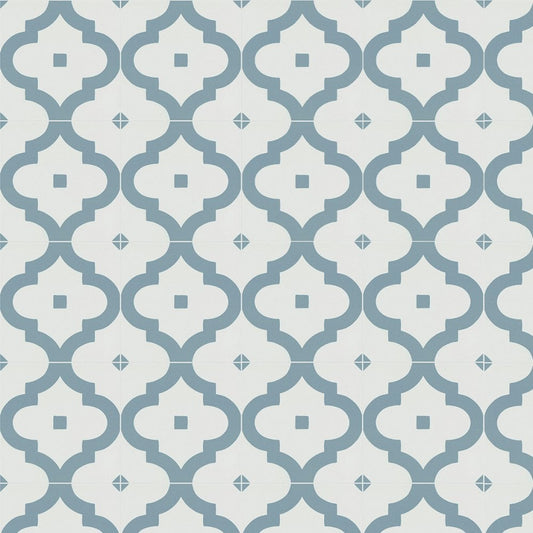
Blue Tile - Retro Water-resistant 8mm Laminate Flooring
Black and White - Retro Water-resistant 8mm Laminate Flooring
Blue Tile - Retro Water-resistant 8mm Laminate Flooring Blue Tile - Retro Water-resistant 8mm Laminate Flooring
Deco - Retro Water-resistant 8mm Laminate Flooring
Blue Tile - Retro Water-resistant 8mm Laminate Flooring
Deco - Retro Water-resistant 8mm Laminate Flooring Deco - Retro Water-resistant 8mm Laminate Flooring
Traditional - Retro Water-resistant 8mm Laminate Flooring
Deco - Retro Water-resistant 8mm Laminate Flooring
Traditional - Retro Water-resistant 8mm Laminate Flooring Traditional - Retro Water-resistant 8mm Laminate Flooring
+1 More Colour
Traditional - Retro Water-resistant 8mm Laminate Flooring
+1 More Colour -
Beech Nobelle - Standard 7mm Laminate Flooring
Your price: Regular price £9.49 per m²Your price: Sale price £9.49 per m²Regular price£9.49 per m²£22.68 per packUnit price perBeech Nobelle - Standard 7mm Laminate Flooring Beech Nobelle - Standard 7mm Laminate Flooring
Ticino Walnut - Standard 7mm Laminate Flooring
Beech Nobelle - Standard 7mm Laminate Flooring
Ticino Walnut - Standard 7mm Laminate Flooring Ticino Walnut - Standard 7mm Laminate Flooring
Winter Oak - Standard 7mm Laminate Flooring
Ticino Walnut - Standard 7mm Laminate Flooring
Winter Oak - Standard 7mm Laminate Flooring Winter Oak - Standard 7mm Laminate Flooring
Winter Oak Grey - Standard 7mm Laminate Flooring
Winter Oak - Standard 7mm Laminate Flooring
Winter Oak Grey - Standard 7mm Laminate Flooring Winter Oak Grey - Standard 7mm Laminate Flooring
Sold out
Winter Oak Grey - Standard 7mm Laminate Flooring
Sold out -
Oak Fresco Snow - Aqua Pro 8mm High Gloss Laminate Flooring
Your price: Regular price £14.99 per m²Your price: Sale price £14.99 per m²Regular price£14.99 per m²£32.98 per packUnit price per -
Harbour Oak - Exquisite Plus 8mm Laminate Flooring
Your price: Regular price £10.99 per m²Your price: Sale price £10.99 per m²Regular price£10.99 per m²£29.61 per packUnit price perHarbour Oak - Exquisite Plus 8mm Laminate Flooring Harbour Oak - Exquisite Plus 8mm Laminate Flooring
Harbour Grey Oak - Exquisite Plus 8mm Laminate Flooring
Harbour Oak - Exquisite Plus 8mm Laminate Flooring
Harbour Grey Oak - Exquisite Plus 8mm Laminate Flooring Harbour Grey Oak - Exquisite Plus 8mm Laminate Flooring
Montmelo Nature Oak - Exquisite Plus 8mm Laminate Flooring
Harbour Grey Oak - Exquisite Plus 8mm Laminate Flooring
Montmelo Nature Oak - Exquisite Plus 8mm Laminate Flooring Montmelo Nature Oak - Exquisite Plus 8mm Laminate Flooring
Petterson Oak - Exquisite Plus 8mm Laminate Flooring
Montmelo Nature Oak - Exquisite Plus 8mm Laminate Flooring
Petterson Oak - Exquisite Plus 8mm Laminate Flooring Petterson Oak - Exquisite Plus 8mm Laminate Flooring
Rift Oak - Exquisite Plus 8mm Laminate Flooring
Petterson Oak - Exquisite Plus 8mm Laminate Flooring
Rift Oak - Exquisite Plus 8mm Laminate Flooring Rift Oak - Exquisite Plus 8mm Laminate Flooring
Sold out
Rift Oak - Exquisite Plus 8mm Laminate Flooring
Sold out -
Trend Oak White - Advanced 8mm Laminate Flooring
Your price: Regular price £10.49 per m²Your price: Sale price £10.49 per m²Regular price£10.49 per m²£22.34 per packUnit price perTrend Oak White - Advanced 8mm Laminate Flooring Trend Oak White - Advanced 8mm Laminate Flooring
Century Oak Grey - Advanced 8mm Laminate Flooring
Century Oak Grey - Advanced 8mm Laminate Flooring
Millenium Brown Oak - Advanced 8mm Laminate Flooring
Millenium Brown Oak - Advanced 8mm Laminate Flooring
Millenium Oak Grey - Advanced 8mm Laminate Flooring
Millenium Oak Grey - Advanced 8mm Laminate Flooring
Summer Oak - Advanced 8mm Laminate Flooring
Summer Oak - Advanced 8mm Laminate Flooring
+1 More Colour
Trend Oak White - Advanced 8mm Laminate Flooring
Century Oak Grey - Advanced 8mm Laminate Flooring
Century Oak Grey - Advanced 8mm Laminate Flooring
Millenium Brown Oak - Advanced 8mm Laminate Flooring
Millenium Brown Oak - Advanced 8mm Laminate Flooring
Millenium Oak Grey - Advanced 8mm Laminate Flooring
Millenium Oak Grey - Advanced 8mm Laminate Flooring
Summer Oak - Advanced 8mm Laminate Flooring
Summer Oak - Advanced 8mm Laminate Flooring
+1 More Colour -
Timeless Grey Oak - Robusto Villa 12mm Waterproof Laminate Flooring
Your price: Regular price £14.99 per m²Your price: Sale price £14.99 per m²Regular price£14.99 per m²£19.34 per packUnit price perTimeless Grey Oak - Robusto Villa 12mm Waterproof Laminate Flooring
Timeless Grey Oak - Robusto Villa 12mm Waterproof Laminate Flooring
Harbour Grey Oak - Robusto Villa 12mm Waterproof Laminate Flooring
Harbour Grey Oak - Robusto Villa 12mm Waterproof Laminate Flooring
Harbour Oak - Robusto Villa 12mm Waterproof Laminate Flooring
Harbour Oak - Robusto Villa 12mm Waterproof Laminate Flooring
Rip Oak Nature - Robusto Villa 12mm Waterproof Laminate Flooring
Rip Oak Nature - Robusto Villa 12mm Waterproof Laminate Flooring
Rip Oak White - Robusto Villa 12mm Waterproof Laminate Flooring
Rip Oak White - Robusto Villa 12mm Waterproof Laminate Flooring
-
Rip Oak White - Robusto Villa 12mm Waterproof Laminate Flooring
Your price: Regular price £14.99 per m²Your price: Sale price £14.99 per m²Regular price£14.99 per m²£19.34 per packUnit price perRip Oak White - Robusto Villa 12mm Waterproof Laminate Flooring
Rip Oak White - Robusto Villa 12mm Waterproof Laminate Flooring
Harbour Grey Oak - Robusto Villa 12mm Waterproof Laminate Flooring
Harbour Grey Oak - Robusto Villa 12mm Waterproof Laminate Flooring
Harbour Oak - Robusto Villa 12mm Waterproof Laminate Flooring
Harbour Oak - Robusto Villa 12mm Waterproof Laminate Flooring
Rip Oak Nature - Robusto Villa 12mm Waterproof Laminate Flooring
Rip Oak Nature - Robusto Villa 12mm Waterproof Laminate Flooring
Timeless Grey Oak - Robusto Villa 12mm Waterproof Laminate Flooring
Timeless Grey Oak - Robusto Villa 12mm Waterproof Laminate Flooring
Sold out -
Harbour Grey Oak - Exquisite Plus 8mm Laminate Flooring
Your price: Regular price £10.99 per m²Your price: Sale price £10.99 per m²Regular price£10.99 per m²£29.61 per packUnit price perHarbour Grey Oak - Exquisite Plus 8mm Laminate Flooring
Harbour Grey Oak - Exquisite Plus 8mm Laminate Flooring
Harbour Oak - Exquisite Plus 8mm Laminate Flooring
Harbour Oak - Exquisite Plus 8mm Laminate Flooring
Montmelo Nature Oak - Exquisite Plus 8mm Laminate Flooring
Montmelo Nature Oak - Exquisite Plus 8mm Laminate Flooring
Petterson Oak - Exquisite Plus 8mm Laminate Flooring
Petterson Oak - Exquisite Plus 8mm Laminate Flooring
Rift Oak - Exquisite Plus 8mm Laminate Flooring
Rift Oak - Exquisite Plus 8mm Laminate Flooring
Sold out -
Timeless Beige Oak - Amazone 10mm Laminate Flooring
Your price: Regular price £14.61 per m²Your price: Sale price £14.61 per m²Regular price£14.61 per m²£18.99 per packUnit price perTimeless Beige Oak - Amazone 10mm Laminate Flooring Timeless Beige Oak - Amazone 10mm Laminate Flooring
Dezent Oak - Amazone 10mm Laminate Flooring
Timeless Beige Oak - Amazone 10mm Laminate Flooring
Dezent Oak - Amazone 10mm Laminate Flooring Dezent Oak - Amazone 10mm Laminate Flooring
Elba Oak Beige - Amazone Aqua 10mm Laminate Flooring
Dezent Oak - Amazone 10mm Laminate Flooring
Elba Oak Beige - Amazone Aqua 10mm Laminate Flooring Elba Oak Beige - Amazone Aqua 10mm Laminate Flooring
Harbour Grey Oak - Amazone 10mm Laminate Flooring
Elba Oak Beige - Amazone Aqua 10mm Laminate Flooring
Harbour Grey Oak - Amazone 10mm Laminate Flooring Harbour Grey Oak - Amazone 10mm Laminate Flooring
Hella Oak - Amazone 10mm Laminate Flooring
Harbour Grey Oak - Amazone 10mm Laminate Flooring
Hella Oak - Amazone 10mm Laminate Flooring Hella Oak - Amazone 10mm Laminate Flooring
+4 More ColoursSold out
Hella Oak - Amazone 10mm Laminate Flooring
+4 More ColoursSold out -
Carrara Marble - Lustre Stone 8mm High Gloss Laminate Flooring
Your price: Regular price £25.99 per m²Your price: Sale price £25.99 per m²Regular price£25.99 per m²£67.31 per packUnit price perCarrara Marble - Lustre Stone 8mm High Gloss Laminate Flooring Carrara Marble - Lustre Stone 8mm High Gloss Laminate Flooring
Agios Cinzento - Lustre Stone 8mm High Gloss Laminate Flooring
Carrara Marble - Lustre Stone 8mm High Gloss Laminate Flooring
Agios Cinzento - Lustre Stone 8mm High Gloss Laminate Flooring Agios Cinzento - Lustre Stone 8mm High Gloss Laminate Flooring
Agios Maro - Lustre Stone 8mm High Gloss Laminate Flooring
Agios Cinzento - Lustre Stone 8mm High Gloss Laminate Flooring
Agios Maro - Lustre Stone 8mm High Gloss Laminate Flooring Agios Maro - Lustre Stone 8mm High Gloss Laminate Flooring
Agios Scuro - Lustre Stone 8mm High Gloss Laminate Flooring
Agios Maro - Lustre Stone 8mm High Gloss Laminate Flooring
Agios Scuro - Lustre Stone 8mm High Gloss Laminate Flooring Agios Scuro - Lustre Stone 8mm High Gloss Laminate Flooring
Black - Lustre Stone 8mm High Gloss Laminate Flooring
Agios Scuro - Lustre Stone 8mm High Gloss Laminate Flooring
Black - Lustre Stone 8mm High Gloss Laminate Flooring Black - Lustre Stone 8mm High Gloss Laminate Flooring
+5 More Colours
Black - Lustre Stone 8mm High Gloss Laminate Flooring
+5 More Colours -
Trend Oak White - Basic 6mm Laminate Flooring
Your price: Regular price £7.69 per m²Your price: Sale price £7.69 per m²Regular price£7.69 per m²£22.45 per packUnit price perTrend Oak White - Basic 6mm Laminate Flooring Trend Oak White - Basic 6mm Laminate Flooring
Autumn Oak Light - Basic 6mm Laminate Flooring
Trend Oak White - Basic 6mm Laminate Flooring
Autumn Oak Light - Basic 6mm Laminate Flooring Autumn Oak Light - Basic 6mm Laminate Flooring
Stutter Oak - Basic 6mm Laminate Flooring
Autumn Oak Light - Basic 6mm Laminate Flooring
Stutter Oak - Basic 6mm Laminate Flooring Stutter Oak - Basic 6mm Laminate Flooring
Sold out
Stutter Oak - Basic 6mm Laminate Flooring
Sold out -
Pettersson Dark Oak - Amazone 10mm Laminate Flooring
Your price: Regular price £14.61 per m²Your price: Sale price £14.61 per m²Regular price£14.61 per m²£18.99 per packUnit price perPettersson Dark Oak - Amazone 10mm Laminate Flooring Pettersson Dark Oak - Amazone 10mm Laminate Flooring
Dezent Oak - Amazone 10mm Laminate Flooring
Dezent Oak - Amazone 10mm Laminate Flooring
Elba Oak Beige - Amazone Aqua 10mm Laminate Flooring
Elba Oak Beige - Amazone Aqua 10mm Laminate Flooring
Harbour Grey Oak - Amazone 10mm Laminate Flooring
Harbour Grey Oak - Amazone 10mm Laminate Flooring
Hella Oak - Amazone 10mm Laminate Flooring
Hella Oak - Amazone 10mm Laminate Flooring
+4 More Colours
Pettersson Dark Oak - Amazone 10mm Laminate Flooring
Dezent Oak - Amazone 10mm Laminate Flooring
Dezent Oak - Amazone 10mm Laminate Flooring
Elba Oak Beige - Amazone Aqua 10mm Laminate Flooring
Elba Oak Beige - Amazone Aqua 10mm Laminate Flooring
Harbour Grey Oak - Amazone 10mm Laminate Flooring
Harbour Grey Oak - Amazone 10mm Laminate Flooring
Hella Oak - Amazone 10mm Laminate Flooring
Hella Oak - Amazone 10mm Laminate Flooring
+4 More Colours -
Hella Oak - Amazone 10mm Laminate Flooring
Your price: Regular price £14.61 per m²Your price: Sale price £14.61 per m²Regular price£14.61 per m²£18.99 per packUnit price perHella Oak - Amazone 10mm Laminate Flooring
Hella Oak - Amazone 10mm Laminate Flooring
Dezent Oak - Amazone 10mm Laminate Flooring
Dezent Oak - Amazone 10mm Laminate Flooring
Elba Oak Beige - Amazone Aqua 10mm Laminate Flooring
Elba Oak Beige - Amazone Aqua 10mm Laminate Flooring
Harbour Grey Oak - Amazone 10mm Laminate Flooring
Harbour Grey Oak - Amazone 10mm Laminate Flooring
Montmelo Silver Oak - Amazone 10mm Laminate Flooring Montmelo Silver Oak - Amazone 10mm Laminate Flooring
+4 More ColoursSold out
Montmelo Silver Oak - Amazone 10mm Laminate Flooring
+4 More ColoursSold out -
Harbour Grey Oak - Amazone 10mm Laminate Flooring
Your price: Regular price £14.61 per m²Your price: Sale price £14.61 per m²Regular price£14.61 per m²£18.99 per packUnit price perHarbour Grey Oak - Amazone 10mm Laminate Flooring
Harbour Grey Oak - Amazone 10mm Laminate Flooring
Dezent Oak - Amazone 10mm Laminate Flooring
Dezent Oak - Amazone 10mm Laminate Flooring
Elba Oak Beige - Amazone Aqua 10mm Laminate Flooring
Elba Oak Beige - Amazone Aqua 10mm Laminate Flooring
Hella Oak - Amazone 10mm Laminate Flooring
Hella Oak - Amazone 10mm Laminate Flooring
Montmelo Silver Oak - Amazone 10mm Laminate Flooring
Montmelo Silver Oak - Amazone 10mm Laminate Flooring
+4 More Colours -
White - Lustre Stone 8mm High Gloss Laminate Flooring
Your price: Regular price £25.99 per m²Your price: Sale price £25.99 per m²Regular price£25.99 per m²£67.31 per packUnit price perWhite - Lustre Stone 8mm High Gloss Laminate Flooring White - Lustre Stone 8mm High Gloss Laminate Flooring
Agios Cinzento - Lustre Stone 8mm High Gloss Laminate Flooring
Agios Cinzento - Lustre Stone 8mm High Gloss Laminate Flooring
Agios Maro - Lustre Stone 8mm High Gloss Laminate Flooring
Agios Maro - Lustre Stone 8mm High Gloss Laminate Flooring
Agios Scuro - Lustre Stone 8mm High Gloss Laminate Flooring
Agios Scuro - Lustre Stone 8mm High Gloss Laminate Flooring
Black - Lustre Stone 8mm High Gloss Laminate Flooring
Black - Lustre Stone 8mm High Gloss Laminate Flooring
+5 More Colours
White - Lustre Stone 8mm High Gloss Laminate Flooring
Agios Cinzento - Lustre Stone 8mm High Gloss Laminate Flooring
Agios Cinzento - Lustre Stone 8mm High Gloss Laminate Flooring
Agios Maro - Lustre Stone 8mm High Gloss Laminate Flooring
Agios Maro - Lustre Stone 8mm High Gloss Laminate Flooring
Agios Scuro - Lustre Stone 8mm High Gloss Laminate Flooring
Agios Scuro - Lustre Stone 8mm High Gloss Laminate Flooring
Black - Lustre Stone 8mm High Gloss Laminate Flooring
Black - Lustre Stone 8mm High Gloss Laminate Flooring
+5 More Colours -
Sibirian Spruce - Amazone 10mm Laminate Flooring
Your price: Regular price £14.61 per m²Your price: Sale price £14.61 per m²Regular price£14.61 per m²£18.99 per packUnit price perSibirian Spruce - Amazone 10mm Laminate Flooring Sibirian Spruce - Amazone 10mm Laminate Flooring
Dezent Oak - Amazone 10mm Laminate Flooring
Dezent Oak - Amazone 10mm Laminate Flooring
Elba Oak Beige - Amazone Aqua 10mm Laminate Flooring
Elba Oak Beige - Amazone Aqua 10mm Laminate Flooring
Harbour Grey Oak - Amazone 10mm Laminate Flooring
Harbour Grey Oak - Amazone 10mm Laminate Flooring
Hella Oak - Amazone 10mm Laminate Flooring
Hella Oak - Amazone 10mm Laminate Flooring
+4 More ColoursSold out
Sibirian Spruce - Amazone 10mm Laminate Flooring
Dezent Oak - Amazone 10mm Laminate Flooring
Dezent Oak - Amazone 10mm Laminate Flooring
Elba Oak Beige - Amazone Aqua 10mm Laminate Flooring
Elba Oak Beige - Amazone Aqua 10mm Laminate Flooring
Harbour Grey Oak - Amazone 10mm Laminate Flooring
Harbour Grey Oak - Amazone 10mm Laminate Flooring
Hella Oak - Amazone 10mm Laminate Flooring
Hella Oak - Amazone 10mm Laminate Flooring
+4 More ColoursSold out -
San Diego Oak - Eurohome Cottage 7mm Laminate Flooring
Your price: Regular price £7.99 per m²Your price: Sale price £7.99 per m²Regular price£7.99 per m²£19.74 per packUnit price perSan Diego Oak - Eurohome Cottage 7mm Laminate Flooring San Diego Oak - Eurohome Cottage 7mm Laminate Flooring
Sold out
San Diego Oak - Eurohome Cottage 7mm Laminate Flooring
Sold out -
Alnwig Oak - Chevron Parquet 8mm Laminate Flooring
Your price: Regular price £14.99 per m²Your price: Sale price £14.99 per m²Regular price£14.99 per m²£40.47 per packUnit price perAlnwig Oak - Chevron Parquet 8mm Laminate Flooring Alnwig Oak - Chevron Parquet 8mm Laminate Flooring
Fortress Rochester - Chevron Parquet 8mm Laminate Flooring
Alnwig Oak - Chevron Parquet 8mm Laminate Flooring
Fortress Rochester - Chevron Parquet 8mm Laminate Flooring Fortress Rochester - Chevron Parquet 8mm Laminate Flooring
-
Himalaya - Mega Plus 8mm Laminate Flooring
Your price: Regular price £11.99 per m²Your price: Sale price £11.99 per m²Regular price£11.99 per m²£26.98 per packUnit price perHimalaya - Mega Plus 8mm Laminate Flooring Himalaya - Mega Plus 8mm Laminate Flooring
Naxos - Mega Plus 8mm Laminate Flooring
Himalaya - Mega Plus 8mm Laminate Flooring
Naxos - Mega Plus 8mm Laminate Flooring Naxos - Mega Plus 8mm Laminate Flooring
Sold out
Naxos - Mega Plus 8mm Laminate Flooring
Sold out -
Tuscany Walnut - Exquisite 8mm Laminate Flooring
Your price: Regular price £10.99 per m²Your price: Sale price £10.99 per m²Regular price£10.99 per m²£23.42 per packUnit price perTuscany Walnut - Exquisite 8mm Laminate Flooring Tuscany Walnut - Exquisite 8mm Laminate Flooring
Natural Pine - Exquisite 8mm Laminate Flooring
Tuscany Walnut - Exquisite 8mm Laminate Flooring
Natural Pine - Exquisite 8mm Laminate Flooring Natural Pine - Exquisite 8mm Laminate Flooring
Pettersson Grey Oak - Exquisite 8mm Laminate Flooring
Natural Pine - Exquisite 8mm Laminate Flooring
Pettersson Grey Oak - Exquisite 8mm Laminate Flooring Pettersson Grey Oak - Exquisite 8mm Laminate Flooring
Waveless Nature Oak - Exquisite 8mm Laminate Flooring
Pettersson Grey Oak - Exquisite 8mm Laminate Flooring
Waveless Nature Oak - Exquisite 8mm Laminate Flooring Waveless Nature Oak - Exquisite 8mm Laminate Flooring
Whitewashed Oak - Exquisite 8mm Laminate Flooring
Waveless Nature Oak - Exquisite 8mm Laminate Flooring
Whitewashed Oak - Exquisite 8mm Laminate Flooring Whitewashed Oak - Exquisite 8mm Laminate Flooring
-
Deco - Retro Water-resistant 8mm Laminate Flooring
Your price: Regular price £29.99 per m²Your price: Sale price £29.99 per m²Regular price£29.99 per m²£69.58 per packUnit price perDeco - Retro Water-resistant 8mm Laminate Flooring
Deco - Retro Water-resistant 8mm Laminate Flooring
Art Tile - Retro Water-resistant 8mm Laminate Flooring
Art Tile - Retro Water-resistant 8mm Laminate Flooring
Black and White - Retro Water-resistant 8mm Laminate Flooring
Black and White - Retro Water-resistant 8mm Laminate Flooring
Blue Tile - Retro Water-resistant 8mm Laminate Flooring
Blue Tile - Retro Water-resistant 8mm Laminate Flooring
Traditional - Retro Water-resistant 8mm Laminate Flooring
Traditional - Retro Water-resistant 8mm Laminate Flooring
+1 More Colour -
Dartmoor Oak - Vario Supernatural 8mm Laminate Flooring
Your price: Regular price £10.70 per m²Your price: Sale price £10.70 per m²Regular price£10.70 per m²£24.18 per packUnit price perDartmoor Oak - Vario Supernatural 8mm Laminate Flooring Dartmoor Oak - Vario Supernatural 8mm Laminate Flooring
Tomahawk Oak - Vario Supernatural 8mm Laminate Flooring
Dartmoor Oak - Vario Supernatural 8mm Laminate Flooring
Tomahawk Oak - Vario Supernatural 8mm Laminate Flooring Tomahawk Oak - Vario Supernatural 8mm Laminate Flooring
-
Black and White - Retro Water-resistant 8mm Laminate Flooring
Your price: Regular price £25.43 per m²Your price: Sale price £25.43 per m²Regular price£29.99 per m²£58.99 per packUnit price perBlack and White - Retro Water-resistant 8mm Laminate Flooring
Black and White - Retro Water-resistant 8mm Laminate Flooring
Art Tile - Retro Water-resistant 8mm Laminate Flooring
Art Tile - Retro Water-resistant 8mm Laminate Flooring
Blue Tile - Retro Water-resistant 8mm Laminate Flooring
Blue Tile - Retro Water-resistant 8mm Laminate Flooring
Deco - Retro Water-resistant 8mm Laminate Flooring
Deco - Retro Water-resistant 8mm Laminate Flooring
Traditional - Retro Water-resistant 8mm Laminate Flooring
Traditional - Retro Water-resistant 8mm Laminate Flooring
+1 More ColourSale -
Rockford Oak - Eurohome Vario+ 12mm Laminate Flooring
Your price: Regular price £14.70 per m²Your price: Sale price £14.70 per m²Regular price£14.70 per m²£22.19 per packUnit price perRockford Oak - Eurohome Vario+ 12mm Laminate Flooring
Rockford Oak - Eurohome Vario+ 12mm Laminate Flooring
Dark Walnut - Eurohome Vario+ 12mm Laminate Flooring
Dark Walnut - Eurohome Vario+ 12mm Laminate Flooring
Dartmoor Oak - Eurohome Vario+ 12mm Laminate Flooring
Dartmoor Oak - Eurohome Vario+ 12mm Laminate Flooring
Grizzly Montreux Oak - Eurohome Vario+ 12mm Laminate Flooring
Grizzly Montreux Oak - Eurohome Vario+ 12mm Laminate Flooring
Sand Sola Oak - Eurohome Vario+ 12mm Laminate Flooring
Sand Sola Oak - Eurohome Vario+ 12mm Laminate Flooring
+3 More Colours



 In-Home Delivery
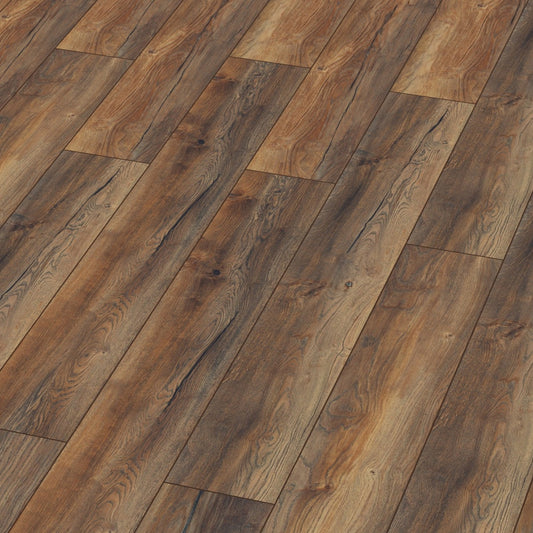


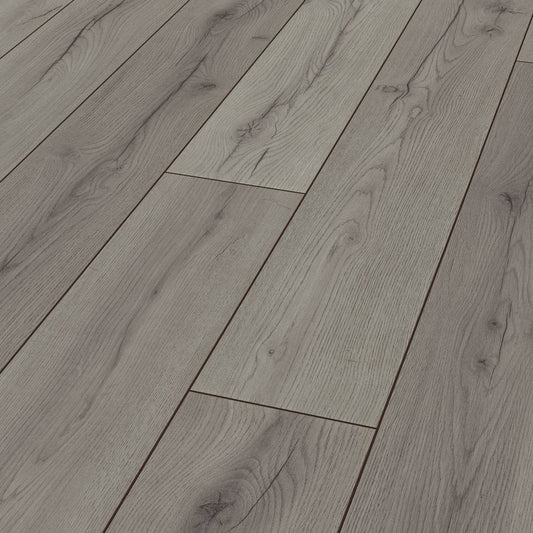


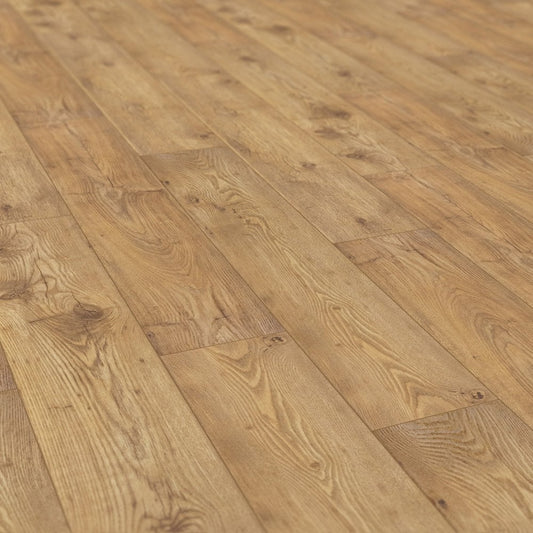


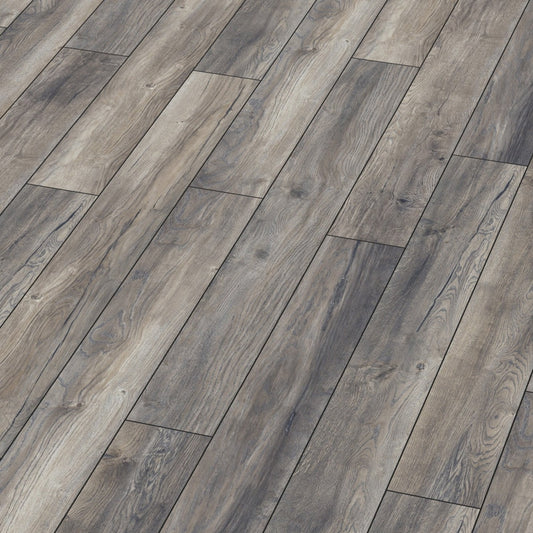




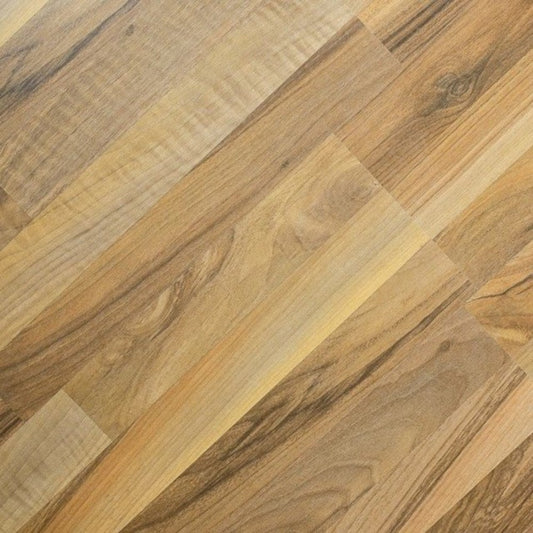


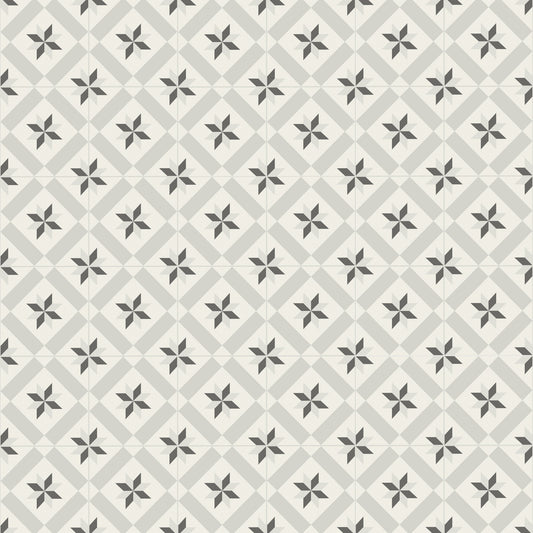


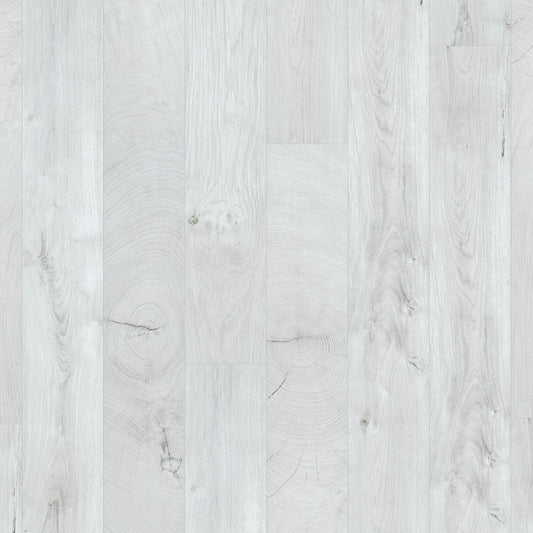


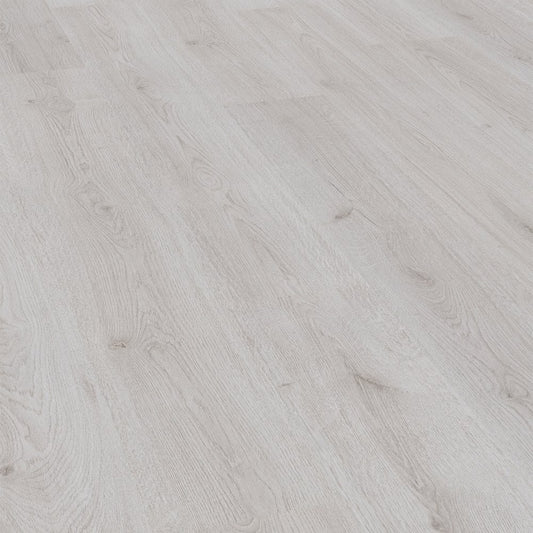


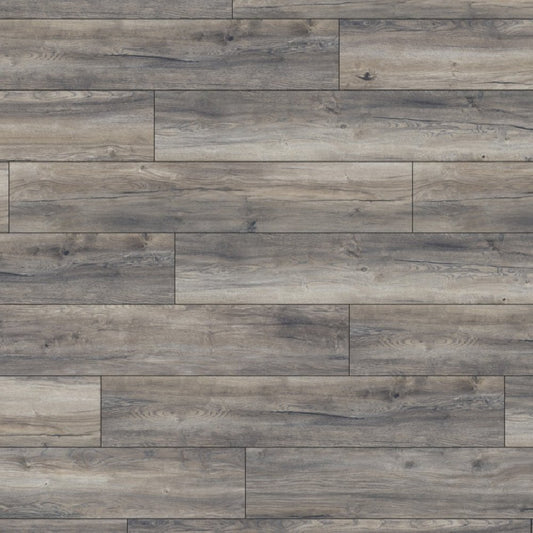

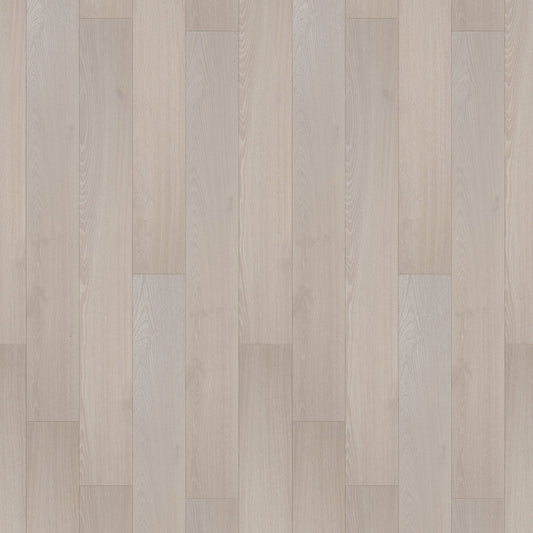


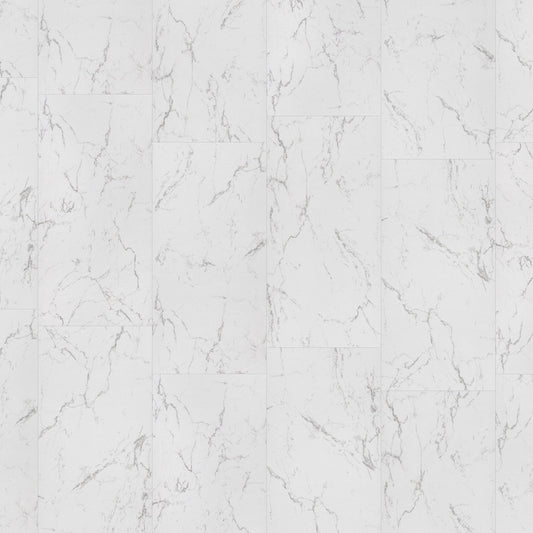


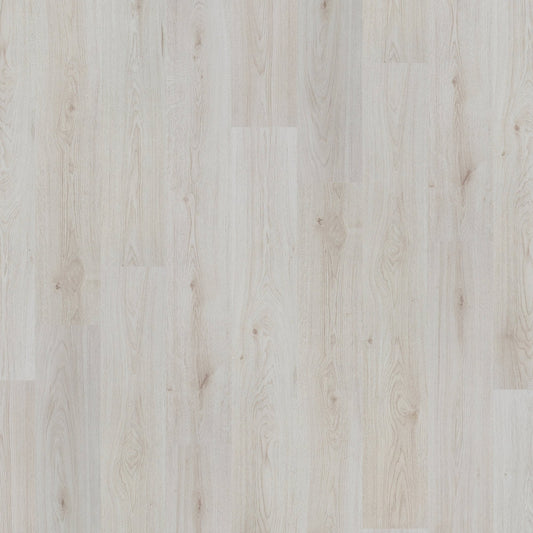


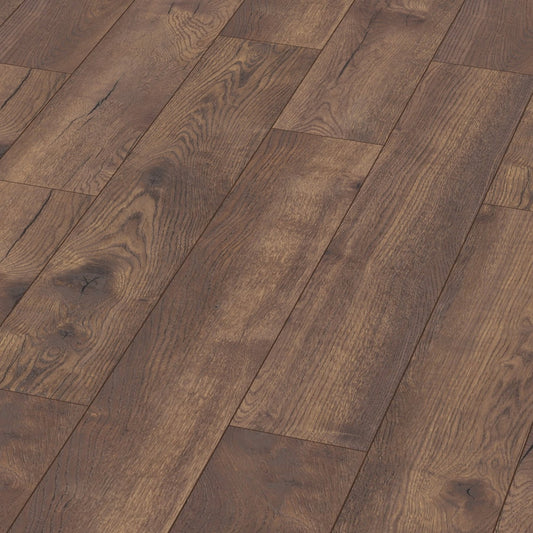


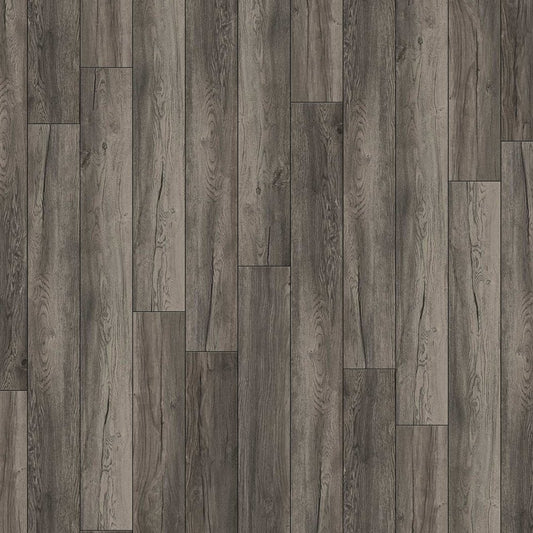


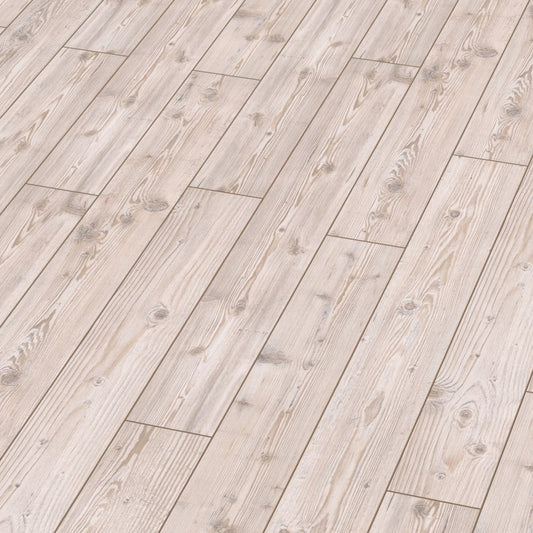


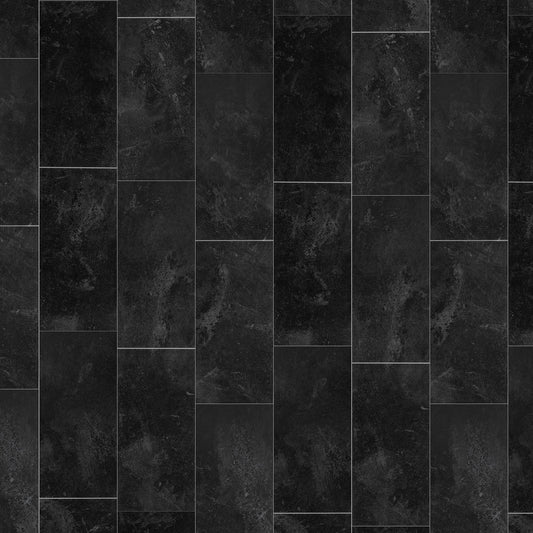









Our kitchen laminate flooring collection is designed for the true heart of any home—the space where we entertain, cook, and occasionally spill. Because it is a room that sees activity from morning to evening, the floor needs to be more than just a pretty surface. These ranges offer a perfect blend of high-end style and practical resilience, providing a beautiful foundation without compromising on performance. Whether you prefer the organic texture of wood or the cool, crisp look of stone and tile, we have curated these floors to ensure they handle the daily bustle of a busy household. It is the smart way to achieve a finished room that stays looking fresh for years to come.
Can I put laminate flooring in the kitchen?
Yes, you certainly can, but you must choose the right type. Traditional laminate is susceptible to moisture, but our dedicated kitchen ranges are either water-resistant. When searching for kitchen flooring laminate, look for products with integrated moisture protection and sealed joints. This ensures that the occasional dropped ice cube or minor spill won't lead to warping or damage, provided it is cleaned up.
Can I put kitchen cabinets on top of laminate flooring?
No, you should not. Laminate is a floating floor, which means it needs to be able to expand and contract with changes in temperature and humidity. If you pin it down under heavy kitchen islands or base units, the floor won't be able to move, which can lead to buckling or the joints pulling apart. Always install your kitchen units first, then lay your laminate up to the legs and hide the expansion gap with your kickboards.
How to fit and install laminate flooring in a kitchen
Fitting a kitchen floor requires a bit more planning than a simple square room.
- Preparation: Ensure your subfloor is level and dry. A quality underlay is essential for a quiet, stable finish.
- The Layout: Plan your rows so you aren't left with tiny, difficult-to-cut slivers around your units. Most of our ranges feature a simple click system for a straightforward DIY fit.
- Expansion: Leave a 10mm gap around all fixed objects, including the legs of your units and any pipes. This ensures the floor remains stable. For more details, see our full installation guide.
Which way to lay laminate flooring in a kitchen?
There is no single correct way to lay your floor, but how you align your planks will change how your kitchen feels. We recommend choosing between these two common methods:
- Parallel to the Longest Wall: This is the most popular choice for a reason. By following the longest straight line in the room, you create a sense of continuity that makes the kitchen feel more expansive and grounded.
- Towards the Main Light Source: If you want to highlight the texture of your wood or stone effects, laying planks toward your largest window or patio doors is the way to go. This allows natural light to flow along the joints, minimising shadows and creating a brighter, more open feel.
Top Tip: If you are stuck, try laying a few loose planks in both directions. It’s the best way to see which flow works with your cabinets and breakfast bar before you commit to the fit.
Frequently Asked Questions
Can I get product samples?
Yes - we offer samples across our flooring, doors, and selected product ranges.
Where a sample is available, it will be clearly linked on the product page so you can add it to your basket and order directly through our website.
Product Samples:
What delivery options are available?
Express In-Home Delivery
- Select a weekday of your choice for delivery, the next available date will be advised when ordering.
- Your items will be delivered with our own in-home expert transport team.
- Your items will be carefully delivered into a room of your choice, at ground floor level.
Eco In-Home Delivery
- Your items will be delivered with our own in-home expert transport team.
- Using postcode data, we optimise our delivery routes to use the most eco-friendly journeys. Minimum 4 working days, your order confirmation will advise of delivery day.
- Your items will be carefully delivered into a room of your choice, at ground floor level.
Pickup Point
- Select your nearest pickup point to pick up your order, typically ready in 2 working days after ordering.
Further information on our delivery options can be found on our Delivery Services page.
Important Information - We strongly advise that you do not book in fitters until you have received your goods and inspected them first. We cannot accept liability for any third-party costs resulting from unforeseen delivery delays or product issues.
What do I do on the day of my delivery?
We ask that you check and prepare the route the driver will take to your property entrance, ensuring it is safe and unrestricted in terms of access to your room of choice. This ensures we can carry out the delivery quickly and safely. Please note, in-home deliveries are to ground floor only, our drivers are unable to carry goods upstairs.
Whilst our drivers will always take care at your property, we kindly ask that any carpets or flooring that will be on the driver's path during the delivery of your items are sufficiently protected. We would also ask that you remove any fragile items such as ornaments and pictures to prevent any unnecessary accidental damage - this ensures a smooth delivery for all.
- Inspect Before Fitting - Thoroughly inspect your products within your 15 minute delivery window for any defects or damage before unpacking and fitting. Installed or altered products cannot be returned.
How do I return an item?
We allow a 14-day cooling off period in which you can notify us of your intention to return the item(s), and a further 14-days from this point to send the items back to us. Your refund will be sent to the same payment method that you used to place the order. Under the Consumer Rights Act you have a legal right to reject goods that are of unsatisfactory quality, unfit for purpose or not as described, and get a full refund or an exchange - as long as you do this quickly. This right is limited to 30 days from the date you receive your product. Bespoke items such as made to measure doors can only be returned unless they are faulty or damaged upon delivery.
See our Returns Policy for more information.


